Paper Isn't Dead, So Stop Pretending: An Argument for Funding Print Like It Matters

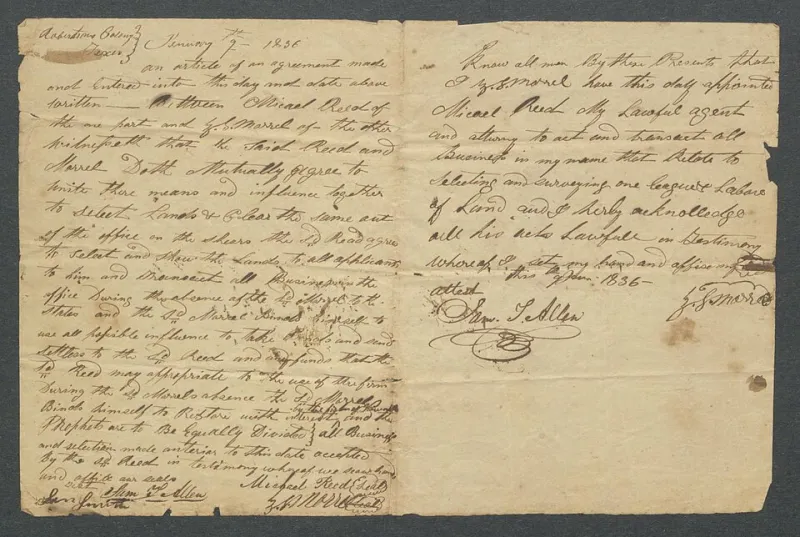
Photo: John Robert McPherson, CC BY-SA 4.0, via Wikimedia Commons
Every few years, someone declares the paperless office has finally arrived. It has been 'finally arriving' since the 1970s, when the phrase was coined as a marketing slogan for early word processors. Since then, per-office paper consumption in the United States has fallen, plateaued, and — in sectors like healthcare and logistics — rebounded. Yet the fiction persists, and it is doing real damage, because a company that believes print is dying will not fund print properly. Devices age, maintenance budgets shrink, and then a legal filing or a shipping crisis exposes the gap.
The Myth vs. The Ledger
Look at what businesses actually do rather than what they say. Law firms print briefs because courts and clients demand paper. Healthcare runs on printed intake forms, prescription labels, and consent documents, not because administrators love paper but because regulatory workflows, signatures, and liability require it. Logistics and warehousing live on printed bills of lading and packing slips that survive environments where a tablet screen does not. Schools send home paper because not every household has reliable connectivity. Even the most digitized offices print contracts for signature, invoices for certain clients, and anything that must survive an audit.
Paper did not die. It retreated to the workflows where it genuinely outperforms screens: permanence, legality, portability without batteries, and universal accessibility. That retreat is not a trend line to zero; it is a plateau.
What Pretending Costs
Here is the problem with the myth: infrastructure decisions follow belief. When leadership treats printing as a legacy inconvenience, print infrastructure becomes the last item funded and the first item cut. The results are familiar to anyone in operations:
- A single aging multifunction device serving an entire floor, with no redundancy.
- Deferred maintenance until hard failure, because 'we're going digital anyway.'
- No print monitoring, because measuring a dying function seems pointless.
- Emergency replacement purchases at retail prices when the one workhorse dies.
The irony is sharp: businesses that half-believe in the paperless office end up paying more for print than businesses that plan for it — in downtime, in expedited repairs, and in panic procurement.
A More Honest Position
The honest strategic position is this: printing is a permanent, reduced, business-critical function. Permanent, because the workflows that require paper are not disappearing. Reduced, because volumes are lower than they were in 2005 and will not return. Business-critical, because the remaining print workflows — legal, clinical, logistical — tend to be the ones where failure has consequences.
That position implies a different budget posture. Fewer devices, but better ones. Fewer pages, but monitored ones. Less frequent maintenance, but scheduled rather than reactive. A right-sized print fleet with a service agreement costs less over five years than one neglected machine surrounded by improvisation.
The Practical Takeaway
Stop writing 'paperless' into strategy documents you do not believe. Audit what your organization actually prints and why. Fund the workflows that genuinely require paper with reliable equipment and a maintenance relationship, and digitize the rest without sentimentality in either direction. The paperless office is a myth, but the well-managed print office is not — and it is quietly cheaper than the alternative.